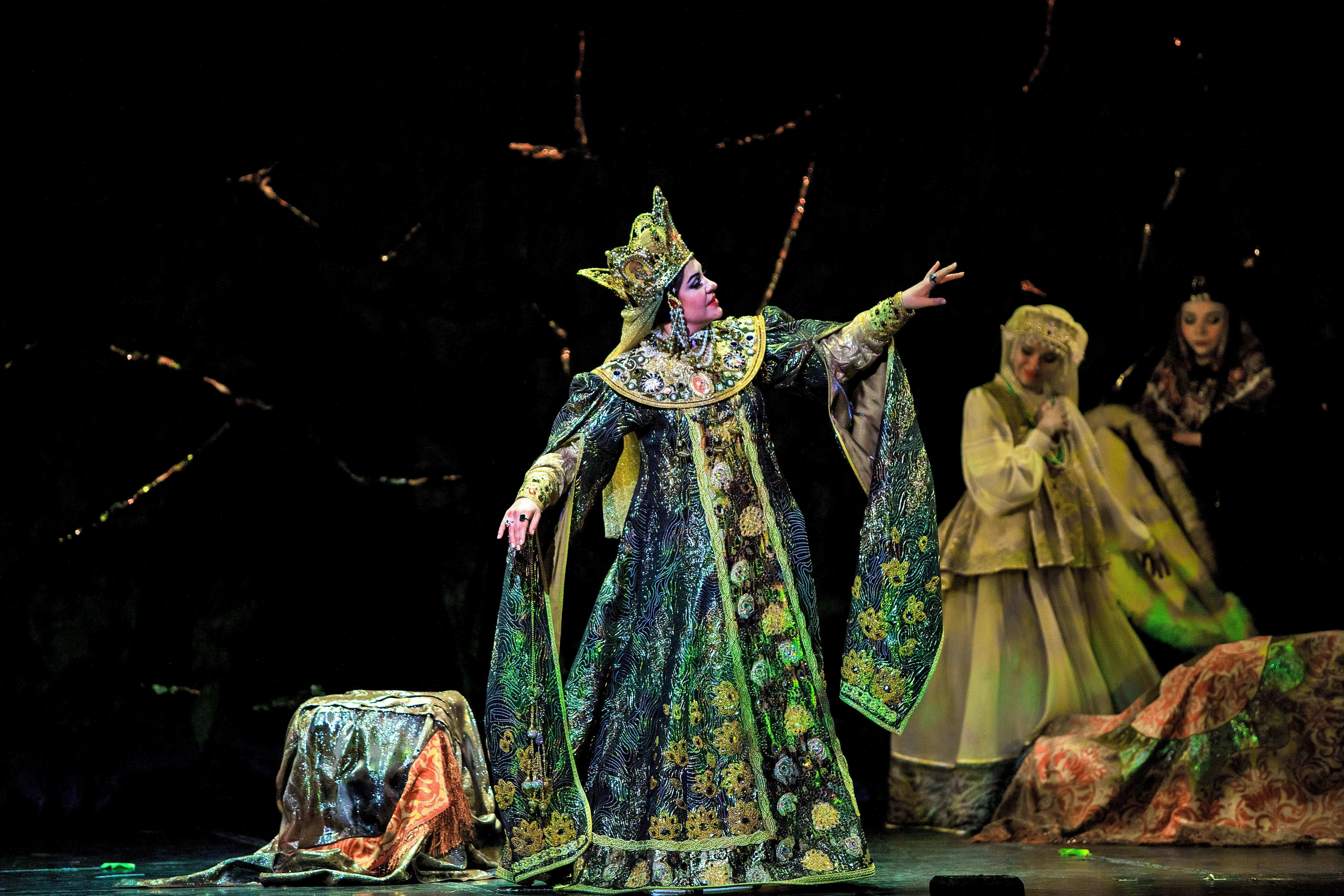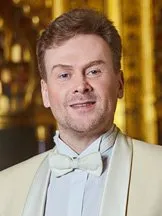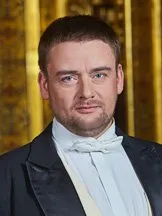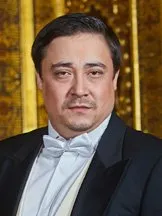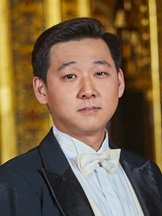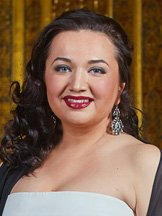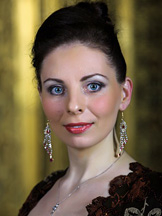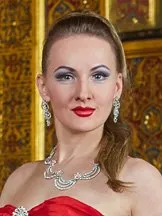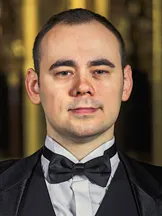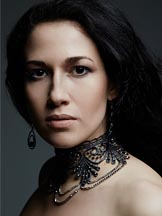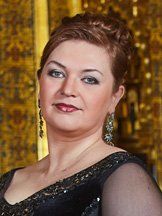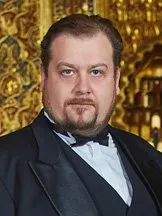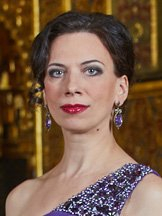
The opera "Ivan the Terrible" was considered lost for many years. Although the main orchestration survived, some sections existed only in manuscript form and were never published during the composer's lifetime. The preparation for the production was preceded by extensive scholarly research work conducted by the theater's creative team. As a result, it was possible to decipher, systematize, and reconstruct the complete musical-dramatic structure of the opera.
This return is not only an event in theatrical life but also a significant act in music history, cementing the St. Petersburg Opera's special role in the fate of forgotten masterpieces. Bizet's opera has rightfully entered the annals of the 21st century precisely under the name of this theater.
At the heart of the work is the image of the Russian Tsar Ivan IV. Bizet offers a perspective unexpected for the Western listener: through the lens of the ruler's well-known cruelty and contradictions, he strives to discern a living person capable of love, devotion, and inner drama. This is an attempt by a Western genius to understand the East Slavic world, its darkness and grandeur, its psychological complexity.
"A positive interest in Russian themes has always been present in the works of Western composers. We already had the experience of a unique production of Gaetano Donizetti's opera 'Peter the Great,' which was also a world premiere. About Bizet's opera 'Ivan the Terrible,' I can say with certainty: the audience will be drawn not only by the magnificent music but also by the unexpected, profound perspective on the personality of the Russian Tsar, balancing between power and humanity," says director Yuri Alexandrov.
A master of stage psychologism, Alexandrov brings to life the inner struggle of Tsar Ivan – between the ruler's ruthlessness and the vulnerability of a man. This powerful dramatic concept is matched by the scenography of People's Artist of Russia Vyacheslav Okunev: the visual language of the production is rich in historical authenticity, emotional tension, and symbolic chiaroscuro contrast.
Театр «Санктъ-Петербургъ Опера» был создан режиссером Юрием Александровым в 1987 году, когда возникла потребность общества в новых творческих идеях. Вопреки всем трудностям периода «перестройки», театр, задуманный как творческая лаборатория, сразу занял видное место в музыкально-театральном Петербурге, завоевав репутацию «живого оперного театра», «театра поиска».
Театр был сформирован как единый творческий организм с уникальной репертуарной программой. Ее диапазон охватывает музыкальные произведения, созданные в разных жанрах и в разных странах в течение многих веков.
Со временем театр вырос в профессиональный Государственный камерный музыкальный театр «Санктъ-Петербургъ Опера», хорошо известный как в России, так и далеко за ее пределами.
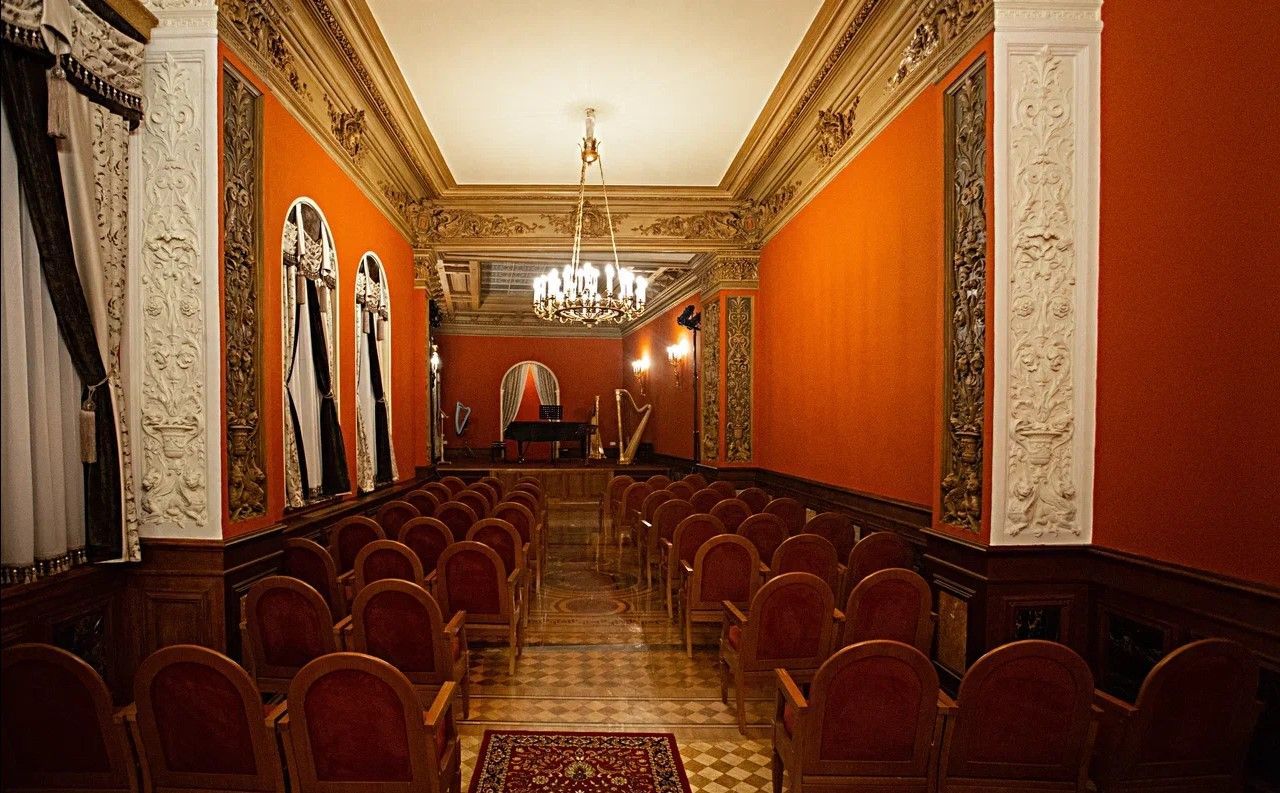
В 1998 году театр обрел собственную сценическую площадку, ею стал особняк барона фон Дервиза (Галерная, 33), история которого тесно связана с музыкально-театральной историей Петербурга.
Художественным руководителем театра со дня его основания является народный артист России Юрий Александров.